REVERSION
SHELF LIFE
FLAVOR
Now this is
something to
celebrate.
Where
standards have
substance from
the start.
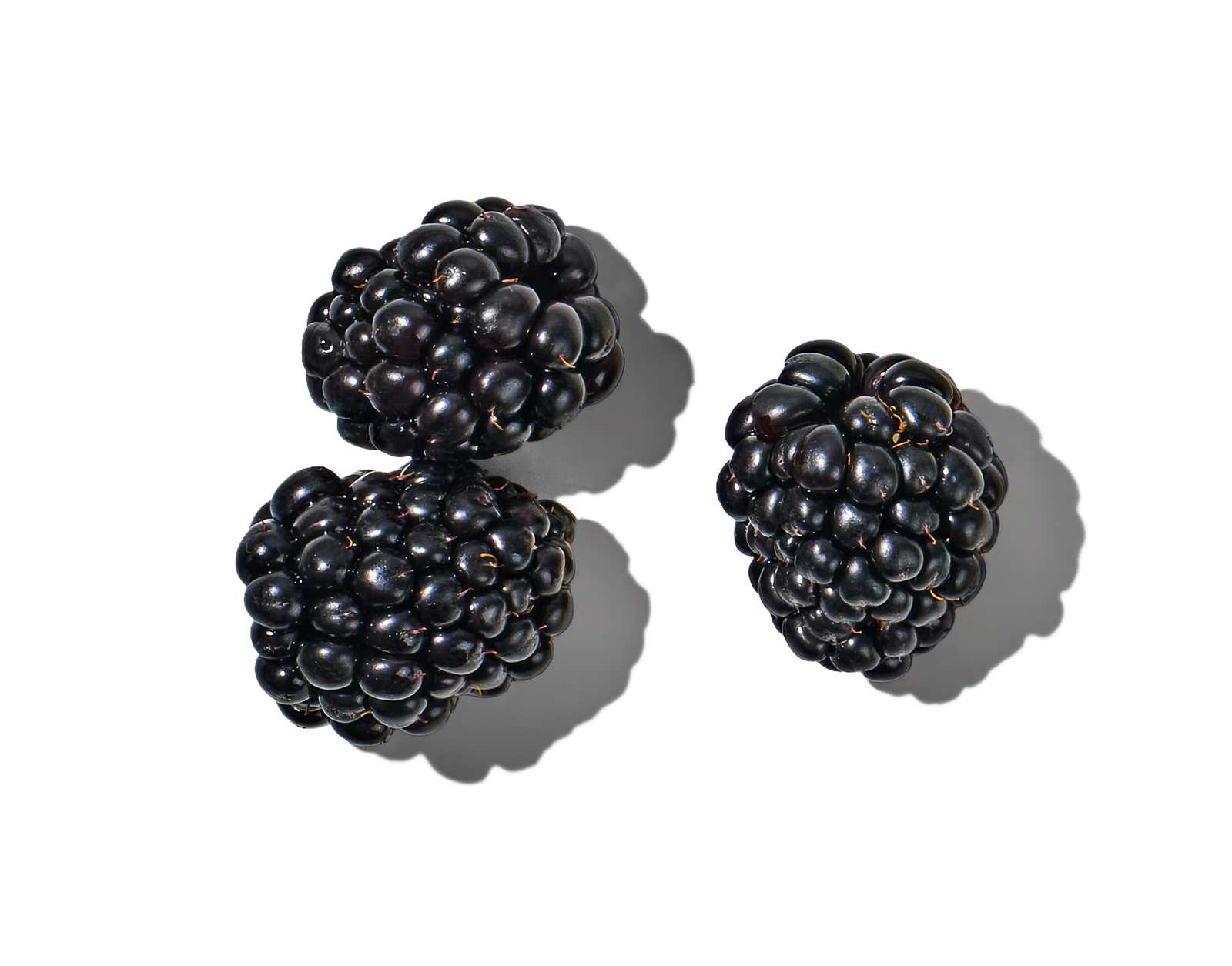
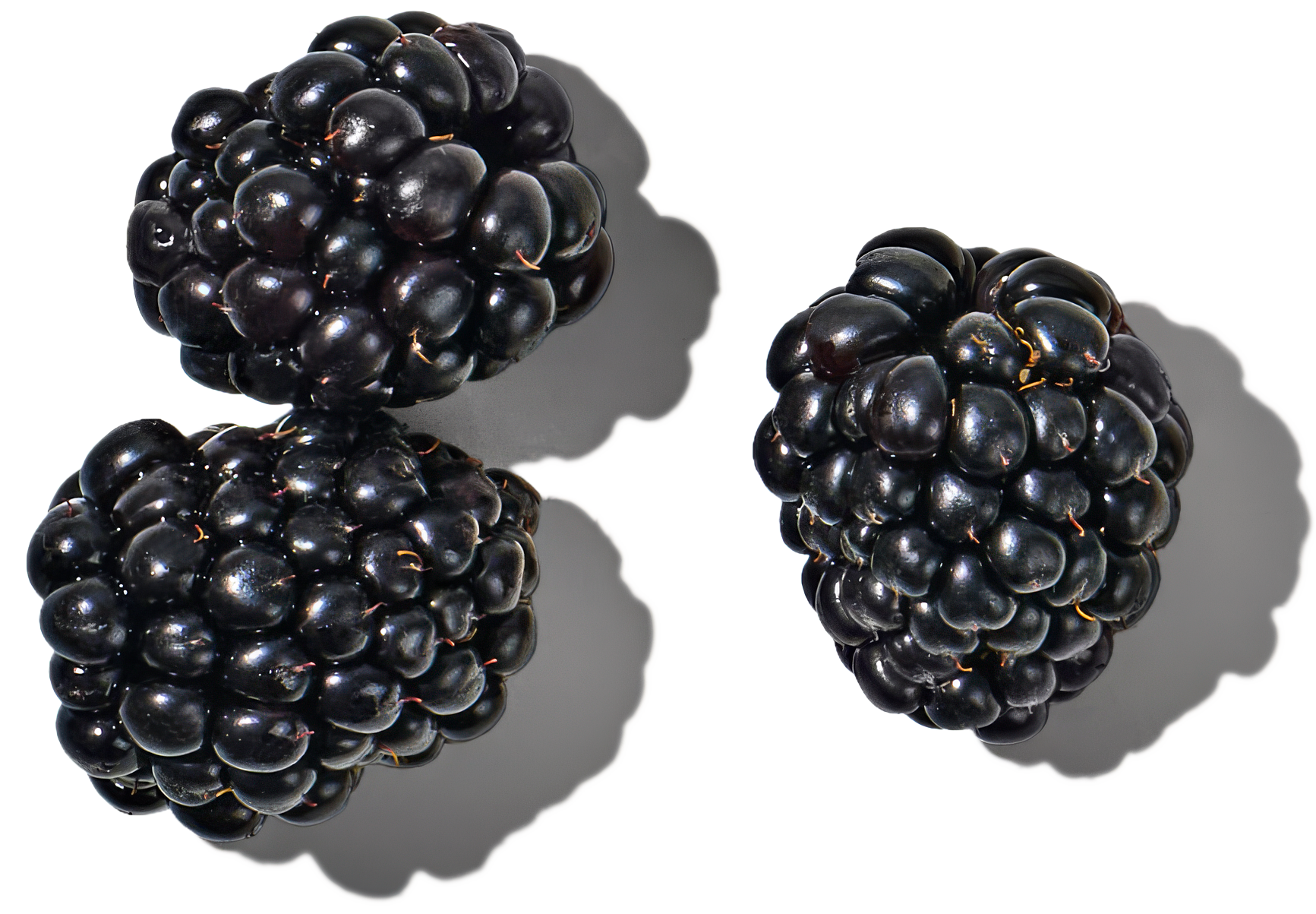
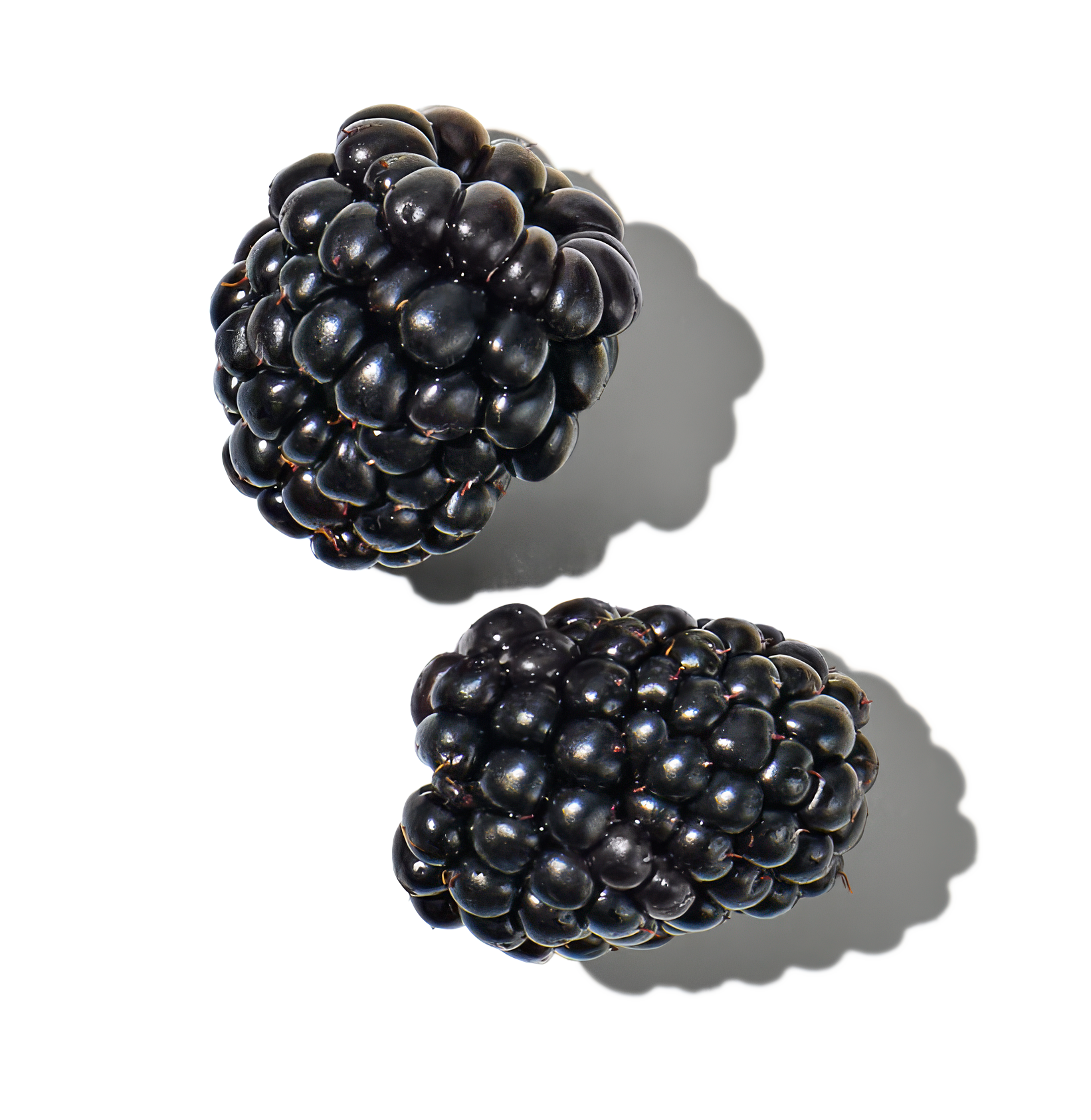
Who says a blackberry can’t have it all? From primocane production, to open growth high yields, to year-round adaptability, to steady & stunning blackberries, Rejoice™ blackberries solve everything.
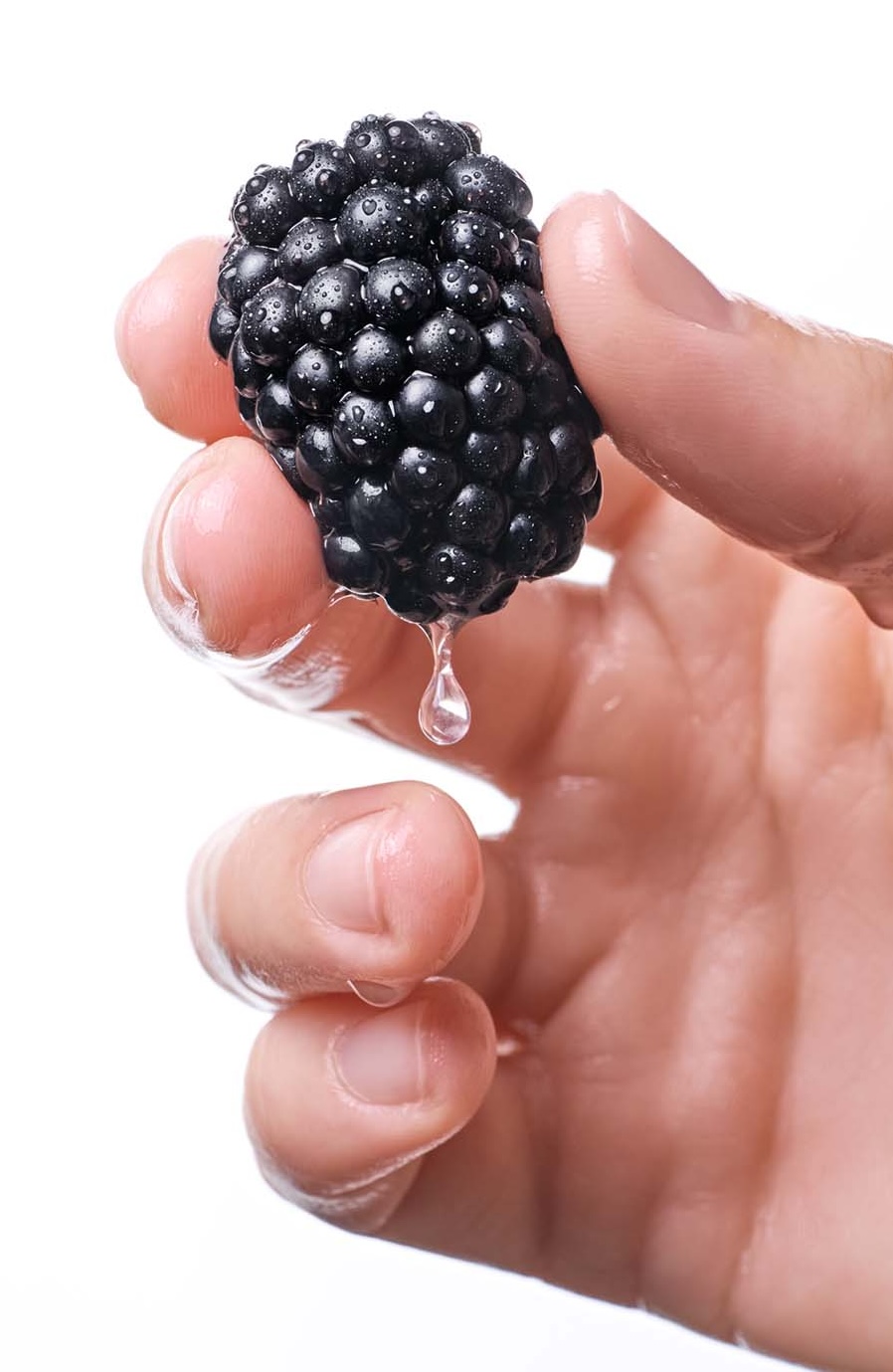
Truly shelf-stopping.
ZERO TO VERY LOW
On average, 10g.
LARGE
Perfectly balanced—
not too sweet, never sour.
Exactly what you want
from a blackberry.
10-16°
From crop to cart, this
quality can hold its own.
HIGH
On average, the shelf
life for a traditional
blackberry is less than
7 days.
13+ DAYS
Proven to bear fruit in the first year.
PRIMOCANE
Approx. 6.5kg/plant.
HIGH
With open growth
habit, harvests are
shorter & more efficient.
VERY
EFFICIENT
Extremely adaptable to
various climates, altitudes
& planting dates.
ZERO
VERY TOLERANT TO MULTIPLE PATHOGENS
Avail: 140mL,
100mL & 62mL
VARIOUS
SIZES
Ready to serve the US,
Canada, Latam & EMEA
YEAR ROUND
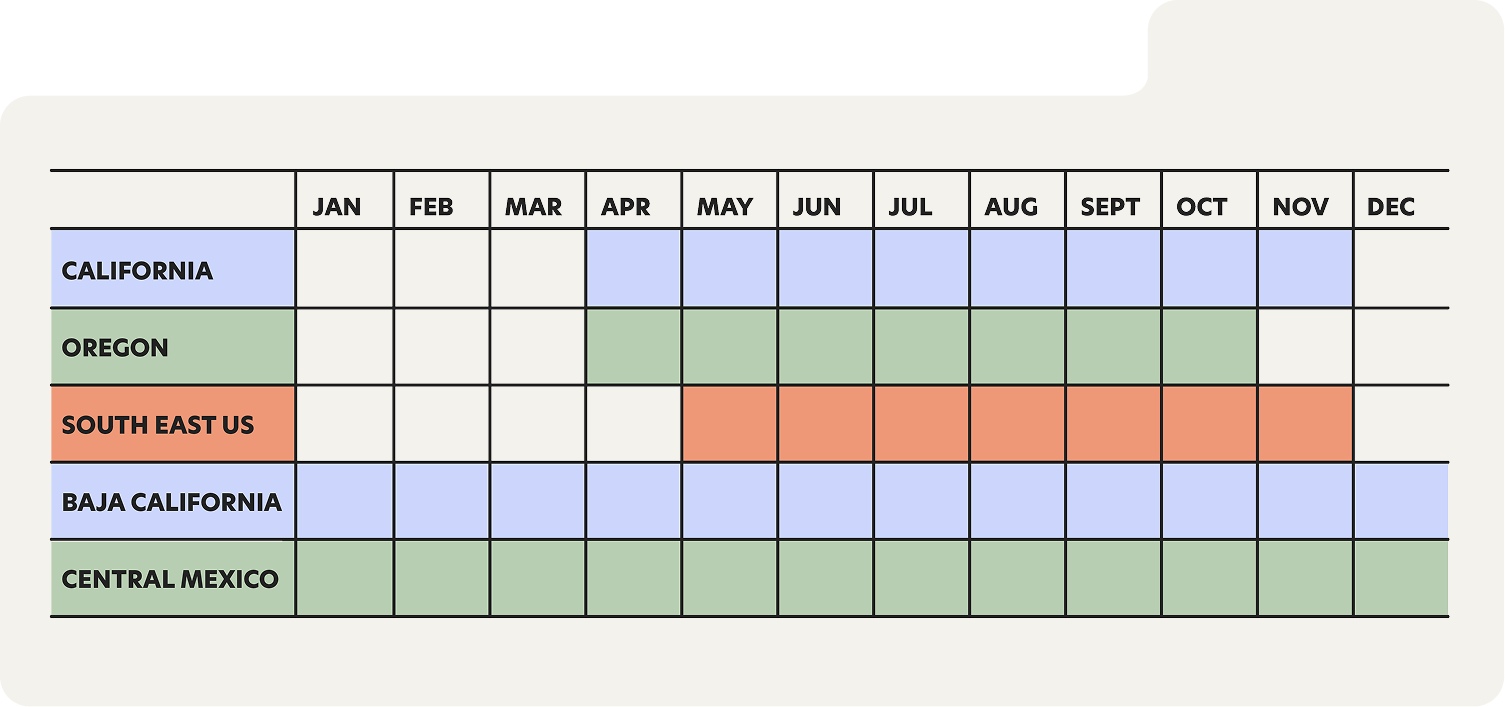
Ready to serve the US,
Canada, Latam & EMEA

YEAR ROUND
















Year-round
consistency is
priceless.
Rejoice™ blackberries are
only the beginning.
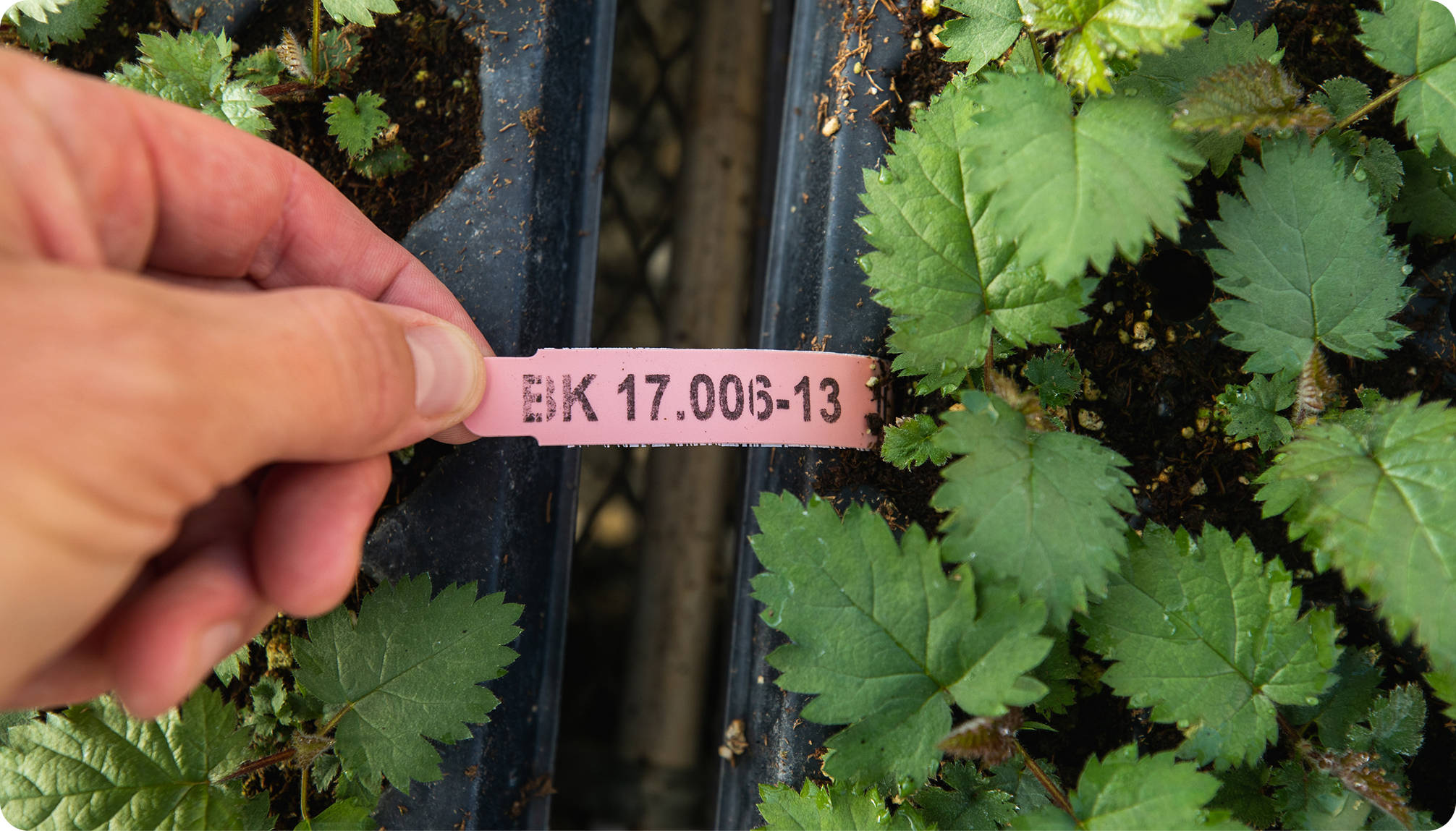
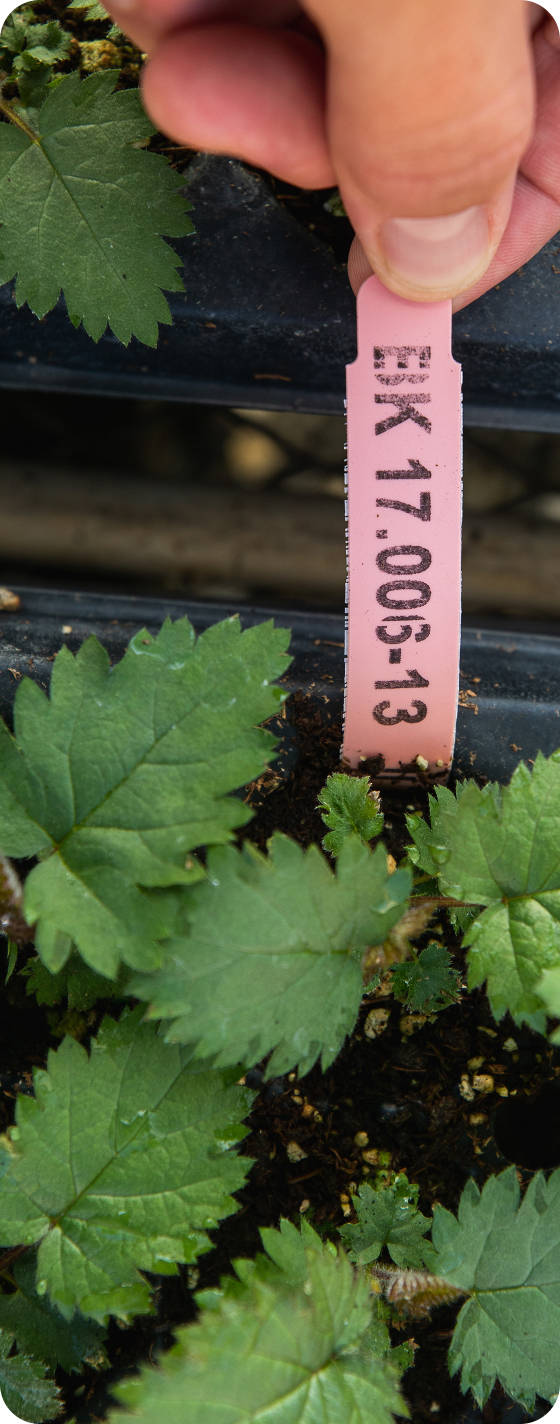
Leading what
comes next.
Agriculture and the produce aisle are evolving and success now depends on the ability to adapt. Rejoice™ blackberries are primed to meet changing demands head‑on, stacking traits and combining forward‑thinking genetics with the flexibility and resilience today’s growers and partners need to stay ahead.
The details matter.
What makes Rejoice™ blackberries different from other blackberry varieties?
Rejoice™ blackberries’ key differentiators are:
- Low-to-no red drupelet reversion (RDR) — a common postharvest disorder that causes discoloration and is a leading cause of blackberry rejections industry-wide. Rejoice’s resistance to this means fewer rejections and better-looking fruit on the shelf.
- Good eating quality — balanced, sweet flavor (Brix 10–12)
- Strong shelf life — 13+ days in current testing
- Primocane habit — fruits earlier than traditional floricane varieties, supporting a longer production window
- Open lateral plant habit — easier to pick, better airflow, better fruit quality
- Consistent 4-day harvest intervals — helps growers plan labor and crews more predictably
- High yield potential and low disease susceptibility
Who developed Rejoice™?
The Rejoice™ platform was developed by PSG’s in-house blackberry breeding program led by Scott Adams. PSG facilitates multiple in-house breeding programs across strawberries, raspberries, blackberries, and blueberries, with field evaluations conducted in grower fields around the world to select for improved production, disease and pest resistance, flavor, and post-harvest performance.
Are Rejoice™ blackberries a variety or a brand?
Both — and by design. Today, the Rejoice™ platform is the market identity for PSG’s first blackberry variety: BK3-17.006-13. As our pipeline advances, Rejoice™ blackberries will evolve into a family of blackberry offerings so partners can rally around one recognizable brand across generations of PSG blackberry genetics.
What is primocane variety and why does it matter?
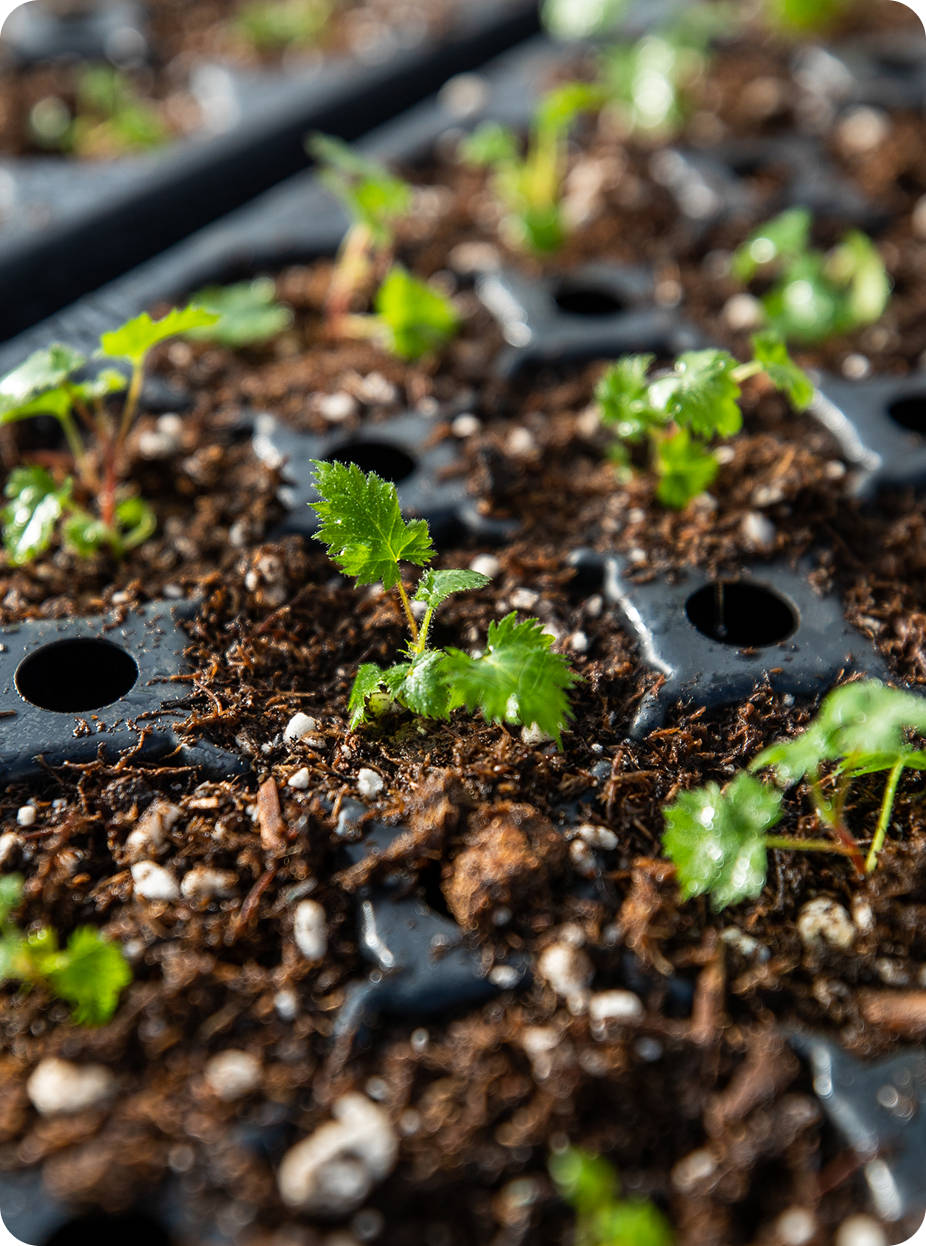
Rejoice™ blackerries are a primocane (vs a floricane) variety, meaning it fruits on first-year canes. This allows for earlier production relative to traditional floricane types and supports a longer, more flexible harvest window.
What does “low reversion” mean, and why does it matter?
Red drupelet reversion (RDR) is when individual drupelets on a blackberry turn red after harvest, making the fruit look unappealing even though it’s still fresh. It’s one of the most common reasons blackberries get rejected by buyers, especially in export markets. Rejoice™ blackberries were selected specifically for low susceptibility to this issue, which means better-looking fruit for longer.
What growing regions are Rejoice™ blackberries suited for?
Rejoice™ blackberries are currently in commercial and semi-commercial trial plantings across multiple growing regions in the United States (including California, Florida, North Carolina, Arkansas, and Tennessee), Baja and Central Mexico, with trials also underway in Europe.
How do Rejoice™ blackberries perform in terms of yield and harvest planning?
Rejoice™ blackberries are bred as a high-yielding variety with a consistent 4-day harvest interval, which helps stabilize labor and crew scheduling. Its open lateral habit also makes hand-harvesting easier and supports better airflow around the fruit.
What is the flavor profiles of Rejoice™ blackberries?
Rejoice™ blackbberies offer good eating quality with a balanced, sweet flavor profile (Brix 10–16) — positioning it well for both everyday and premium retail programs.
Can the Rejoice™ platform support a year-round program?
Yes — the primocane genetics of Rejoice™ blackberries support an earlier and longer production window than traditional floricane varieties, which helps build toward more consistent, year-round supply.
Are Rejoice™ blackberries available as a licensed or open-market variety?
Rejoice™ blackberries are a licensed PSG variety. Growers interested in planting Rejoice must go through PSG’s licensing network. See our members list for current licensees or contact us to learn more.
How can I get access to plant material for Rejoice™ blackberries?
Rejoice™ blackberries are available through PSG’s licensing program. Contact us to inquire about a license or growing for one of our licensees.
Is co-branding available for licensees/marketers?
Yes – PSG has a cobranding template ready for on-pack and on-tray cobranding but we are also open to exploring unique was to copromote or cobrand together! Contact us.
Why should I buy, sell, or grow Rejoice™ blackberries over other blackberry varieties?
Rejoice™ blackberries were bred to directly address one of the biggest cost drivers in blackberry category management: post-harvest rejections due to red drupelet reversion. Combined with strong shelf life and a consistently attractive appearance, the goal is fewer rejections, less shrink, and a more dependable category offering.
Who is Plant Sciences Genetics (PSG)?
PSG is a globally renowned berry breeding and agricultural research company focused on plant breeding and propagation of berry crops for growers, marketers, and retailers worldwide. PSG holds plant patents and plant breeders’ rights across strawberry, raspberry, and now blackberry and blueberry varieties, supplying growers in more than 50 countries worldwide.
Where can I learn more about other PSG varieties?
Visit the Varieties tab to explore PSG’s full portfolio across strawberries, raspberries, blackberries, and blueberries.
Crave more?